India, the rise of a new Asian giant, China vs India and what not, all these types of stories are doing the rounds everywhere globally, so much so, that the US renamed its US Pacific command as US Indo-Pacific command in recognition of the Indian sub continent. India has been growing so fast, that it has been named the fastest growing major economy. There is no doubt about the name given to it and it is true. The next billion consumers live in India and their aspirations are growing. 45% of the population is below the age of 25. No economy can be better placed than this, then why is it that we are facing a slowdown? Yes we are having a global slowdown in consumption and investment but India’s domestic story is well placed and can easily address these issues for global investors. The sentiment has turned so negative that including a 20% growth rate in our investment analysis would be foolish. The funding crunch is not alone to blame, you have many internal structural problems in the economy and that is the reason we are facing a slowdown. Every credit cycle slows down at some point and it happened with IL&FS going down, then DHFL and turn by turn many more companies reported shortage of credit. So what are the possible routes for the economy and government? This article deals with a long term perspective rather than short term measures which are addressed to boost sentiment.
1.Change in philosophy
The solutions tend to be innovative when we start thinking from a changed perspective. If the question changes from ‘How do we address the slowdown’ to ‘How do we uplift the next 100 million people out of poverty’ or ‘How do we make India on par with other developed nations’ the answers to the questions change automatically. Growth can be achieved in multiple ways, one way is of course, capital, it’s easy to spend as much as possible to boost the economic numbers but that growth usually won’t sustain for long. After all you gotta keep your Balance Sheet intact and managing risks at the same time. Second way is undertaking reforms and making radical changes which address long term problems of the businesses. You can’t keep relying on fiscal math to do you favours. Eventually that source of money will burn up and when the economic gloom hits you don’t really have any sources to boost growth and that makes it worse. To do this, of course, you gotta have a change of attitude and approach with modern solutions. If growth rate has to increase, we have to allow businesses to make decisions in much quicker ways. Bureaucrats, policy makers and everybody else in the government have to look at issues with a fundamental eye. Zoning laws for cities to manage the city infrastructure, controlling population, etc are the basic elements which will address issues at micro level. If you have a well planned city which is efficient, it can address problems like transportation which could indirectly lead to capital formation. You get a cheap and efficient transportation system, you will save more time and money thus increasing productivity at the same time.
2. Let’s talk services
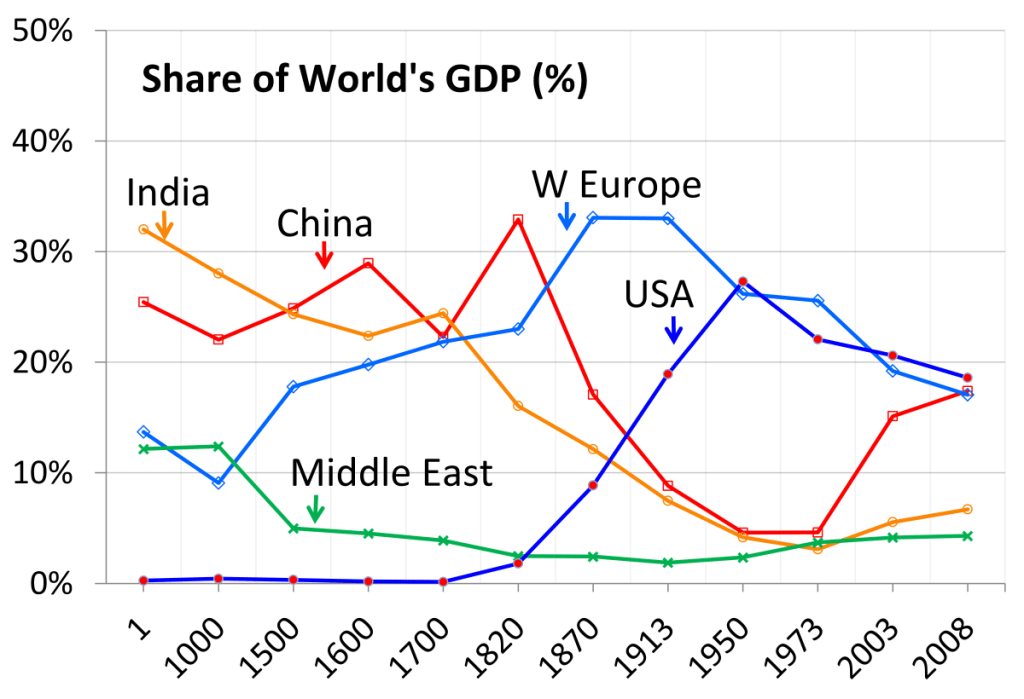
India’s highest GDP contributor is services, with a contribution of more than 50%. India’s strength is services. If we rely more on services export we would be better off. India has already skipped the process of industrialisation and going back to manufacturing with no infrastructure to support it would be even tougher. Meanwhile, we have an internet boom going on in India where we have people accessing the internet for the first time from their smartphones. The infrastructure is ready made for accessing the internet. New age technologies permit entrepreneurs and employees to work from their homes or off shore. Services led growth presents a big opportunity for the Indian economy. If services keep growing, automatically there will be demand for manufacturing. We have a population more than willing to work in services sector and is well equipped to lead its growth. Starting services units is easier than manufacturing units which require several clearances from authorities, meet pollution norms, etc. This makes the process complicated from start to end delaying the ability to take advantage of global trends. Plus being a capital starved nation with so many risks, services provides a bigger advantage. Indian exports have been subdued in the past five years. We broke the 2014 high of $314 billion in 2019 with $331 billion. Meanwhile, our imports also rose to an astounding $507 billion, however, there was pressure even in oil markets which added to the steep import bill. India still remains strategically vulnerable due to its structural problems. With added anxiety in global markets, growth from exports will remain challenging. Bangladesh and Vietnam also stand as tough competitors to Indian exporters.
3. Adoption of new age technologies
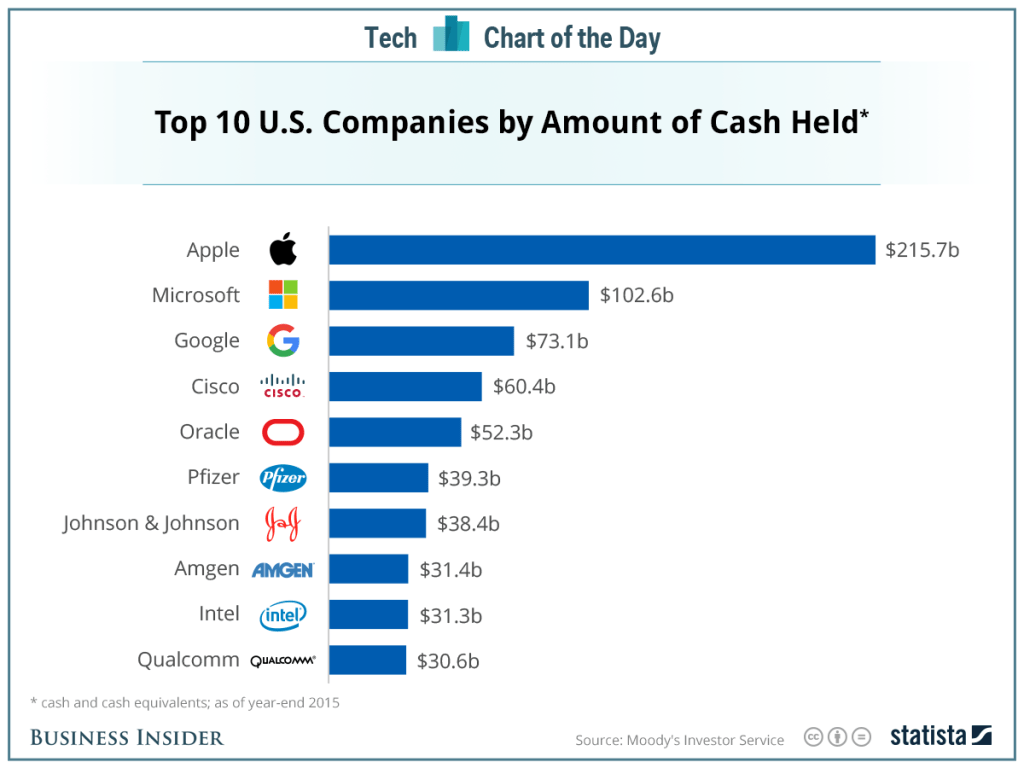
The faster you adopt, the better it is and it goes without saying that AI, machine learning, drones, self driving vehicles, electric vehicles, space technology, etc are going to play a central role in the development of economies in the future. We already have American private technology companies like SpaceX and Blue origin who are working on reaching Mars and undertaking risky missions and proving their technological prowess. We need indigenous companies working on futuristic consumer technologies rather than accepting their products. Technology is a big competitive advantage and it can be seen from the exports of nations like Russia, the US, China, South Korea, Japan, etc. Every highly successful nation offers products which the domestic economies of other nations aren’t able to produce which creates a differentiator and becomes a foreign exchange earner. Relying on traditional industries like mining, cement, electricity, etc was a thing of the past. Kickstarting modern consumer technologies can possibly not only boost GDP but offer a distinct competitive advantage. Every country has basic demand but differentiator lies in how we meet the needs. India lost out smartphone race because domestic companies like Lava, Karboon and Micromax chased numbers rather than addressing research and development. Meanwhile Chinese companies, who command more than 70% of the market share, were busy building supply chains and competencies to deliver future returns. Boeing (US)and Airbus ( France) rule the aviation industry. Aviation today is a basic requirement and these countries fulfil the needs in safest and cheapest ways thus gaining a natural advantage and became one of their most important exported product.
4. Address basic issues first
China got lucky one could say. It took advantage of the advent of internet. They took it in a very serious way and were already prepared when the technology wave hit in 2000s. This resulted in extraordinary growth of the country which isn’t easy for any other nation. When South Korea and Taiwan were slowing down and becoming mature countries, China forged ahead and took away market share. Those type of conditions no longer exist for India, we have competition coming from our neighbours. Rather than satisfying global demand to generate income, we could use domestic market which offers ample opportunity and it can start with improving domestic conditions. Focusing on education, health and infrastructure will help in creating a backbone for future generations. Indian universities and the rest of the education system needs to be improved. Serious changes are needed at the educational level to change the output of the country. We have big shortage of good quality teachers. A more creative and entrepreneurial approach to education could go a long way in changing how we approach our society’s problems. Byju’s is one such company which is making a mark domestically as well as internationally.
Conclusion
As we move forward, undertaking structural changes carry outmost importance. Whilst we are making fun of Pakistani economy, we have major pending issues to address and it will be better if start looking at the future mess we could create if don’t start moving fast. It remains to be seen what measures is the government going to take, to make it easier to do business in India. It’s a big wake up call for the policy makers and it will be better to quickly address these long term problems.

 Revitalize Finance
Leave a comment